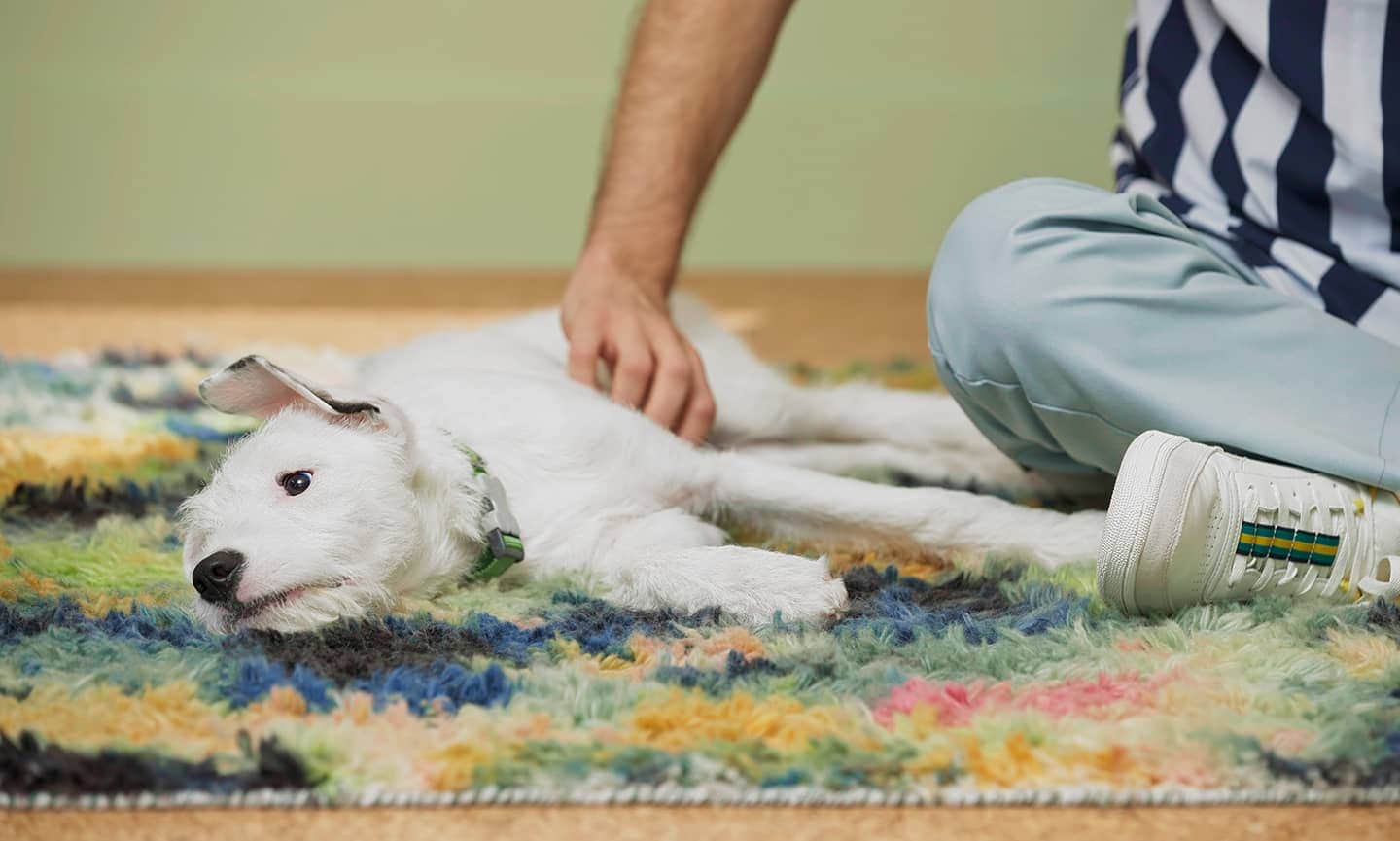
Socialization is one of the most important parts of pet ownership. Just like with kids, young puppies may start off a bit overzealous every time they’re introduced to new things – in some cases they might even come off as anxious. With socialization, you can teach your pet how to interact appropriately with other people and animals, and help them become comfortable and confident in each new environment. If you’ve recently adopted a new puppy and you’re planning on starting their socialization training, you’re in luck. We’ve come up with a step-by-step guide for puppy socialization.
Why is pet socialization important for pet owners?
Aside from the basic training that pets typically get during the first stages of their lives, pet socialization is also a crucial step in raising a pup. But why exactly should pet socialization be practiced by pet owners around the world? Simple – pet socialization helps to ensure that your pet is comfortable and confident in different environments. It can help prevent behavioral issues from developing, and can help pet owners build positive and strong relationships between their pets, themselves, and strangers and animals who they may encounter in the future. This can lead to a happier, healthier life for you, your new pup, and other pets that you may have at home.
How do you socialize your new puppy?
Socializing a puppy can be an exciting but daunting task. It is important to ensure that your puppy has a positive experience when meeting new people, animals and environments. This step-by-step guide will help you to socialize your puppy in a safe and effective manner, so that they can grow up to be confident and well-adjusted adult dogs. With the right approach, you can help your pup become comfortable in their surroundings and build strong relationships with other animals and people.
- Start early: Puppies are very susceptible to learning at a young age. This is why dog breeders in Queensland recommend starting socialization as early as possible – ideally at about 8 to 10 weeks. If you’re planning on introducing your pup to new things and unfamiliar situations, it’s best to do so during the critical learning period of about 3 to 14 weeks of age.
- Introduce new experiences gradually: While it is important to expose your new puppies to new environments, it’s crucial that you do so in a gradual manner. You don’t want to overwhelm your pup by exposing them to different sights, sounds, and people all at once since this might cause significant anxiety and unease. As much as possible, create a schedule for when to start introducing them to new things, and allow them to get accustomed to each experience before moving on to a new one.
- Use positive reinforcement: Pet socialization may be a bit daunting and frustrating for new pet owners – especially for those who haven’t had pets before. However, remember that your puppy is being introduced to things that they haven’t encountered yet, so it’s completely normal for them to be either unsettled or over-curious. Curb these behaviors with a lot of positive reinforcements, meaning treats, praise, and toys. By rewarding them after each positive action, they get to learn without associating negative emotions.
- Meet new people and other animals: While your pups are still young, try to introduce them to a wide array of people and animals. You can easily do this by asking a few friends or relatives over in the first few weeks, and then gradually taking them on walks to the park or signing them up for dog camps. If you have other pets, e.g. cats, hamsters, or birds, try to introduce them but with very strict supervision. You will need to be extremely hands-on to ensure that your pup and your other pets are always kept safe.
- Visit new places: Keeping your puppy purely indoors will not be productive in the long run. Ensure that you bring them along with you to new places so that they’re introduced to new sights, sounds, and environments. You can bring them along to pet-friendly places, such as parks, stores, and beaches.
- Practice handling: Socialization doesn’t only mean you’re introducing them to new situations. It also means getting them accustomed to being handled by their owners. You can start off by holding their paws, touching their mouth and face, holding their tail, and rubbing their belly. This can help them grow accustomed to common hygiene tasks, such as toothbrushing, nail clipping, and bathing.
- Be patient: Lastly, you need to be patient. Your puppy may react negatively to some things, and it’s something that you need to be ready for. Just remember that your puppy is only getting exposed to new things now, and they will need all the support they can get from you. Be patient and learn alongside your pup about how they react to certain things.
Pet Socialization Helps You Raise Confident Pups
As discussed above, pet socialization helps pets learn how to behave in a variety of situations, helping them grow more confident and comfortable even during times when they are uncertain. Taking the time to properly socialize your pet can make them healthier, happier, and better-adjusted members of the family.
