When you walk into a room, what’s the first thing you notice? For many people, it’s the colour. Whether it’s the calming blue of a bedroom, the energising yellow in a kitchen, or the elegant grey in a living room, colour has the power to shape how we feel, think, and behave. That’s the core of paint colour psychology, a fascinating area where design meets human emotion.
In Australia, more homeowners and businesses are realising that choosing paint isn’t just about aesthetics. It’s about creating moods, improving productivity, and even influencing wellbeing. That’s why paint colour consultant has become such an important service in recent years.
Why Colour Psychology Matters
Colour psychology explores how different shades can impact emotions and behaviours. It’s not just a design trend—it’s backed by psychology and environmental studies. Here’s why it matters:
- Mood setting: Soft blues and greens tend to calm the mind, while bold reds and oranges can stir energy and passion.
- Perception of space: Light colours make small rooms feel bigger, while darker hues can make large spaces feel cosier.
- Productivity booster: In workplaces, neutral and balanced colours can improve focus, while too much brightness might cause distraction.
- Cultural connection: In Australia, earthy tones often resonate because they connect with our natural landscapes, think ochres, sandy beige, eucalyptus green.
Ever wondered why so many coastal homes in Sydney or Byron Bay feature whites and light blues? It’s not by accident. Those colours reflect the lifestyle, airy, breezy, and calming.
The Risk of DIY Colour Choices
We’ve all been there, standing in front of the colour swatch wall at Bunnings, completely overwhelmed. Picking a colour looks easy until you paint half the lounge room and realise it’s too dark, too bright, or just doesn’t match the furniture.
A quick story: A friend in Parramatta once decided on a bright lime-green for her living room. On the tiny paint chip, it looked fun. On the full wall? It felt like a tennis ball had exploded inside the house. She ended up repainting two weeks later, costing double the time and money.
That’s where a paint colour consultant makes all the difference.
What Does a Paint Colour Consultant Do?
A colour consultant doesn’t just pick “nice colours.” Their role is about matching colours to people, spaces, and purposes. Here’s how they help:
- Understand your lifestyle and needs
Do you want your home office to feel motivating or calming? Do you need your café walls to encourage customers to linger? Consultants start by asking these questions. - Balance light and architecture
The same colour can look completely different depending on natural light, room size, and ceiling height. Consultants know how to work with these variables. - Create harmony across spaces
Instead of painting each room randomly, consultants ensure flow and consistency throughout a home or business. - Save money and stress
Avoid costly repaint jobs and indecision. With expert advice, you get it right the first time.
Interior Painting and the Role of Colour
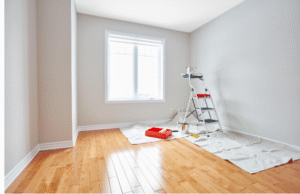
Interior house painting goes far beyond giving walls a fresh coat. It’s about shaping how each room feels and functions. The colours you choose indoors set the tone for daily life, soft neutrals in a living room can create a welcoming vibe for family and friends, while calming blues or greens in bedrooms promote better rest.
Even kitchens and bathrooms benefit from thoughtful colour choices that balance brightness with comfort. A professional colour consultant can help tailor these palettes to suit your lifestyle, ensuring every space feels cohesive and purposeful. When paired with skilled painters, interior painting becomes one of the most cost-effective ways to transform a home.
Paint Colour Psychology in Action
Let’s look at some real-world applications:
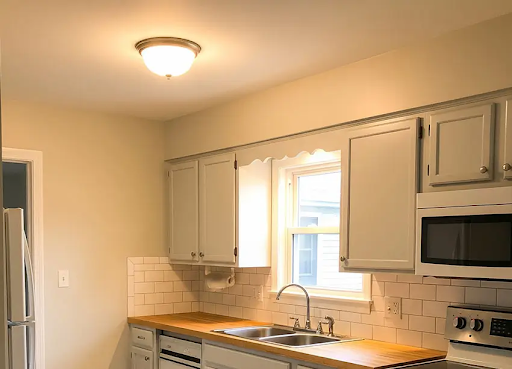
- Homes: Bedrooms painted in lavender or soft blue often promote relaxation and better sleep. Kitchens with touches of yellow or green feel fresh and inviting.
- Offices: Neutral tones like grey or beige provide focus, while touches of blue can reduce stress during busy workdays.
- Retail spaces: Warm tones like terracotta can make shoppers feel more comfortable, while strategic pops of bright colours can draw attention to products.
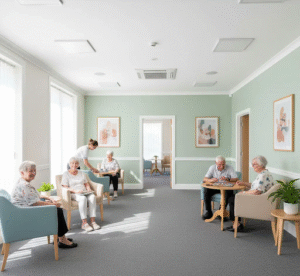
- Healthcare settings: Many hospitals use soft greens and blues to reduce anxiety and promote calmness among patients.
These aren’t random choices, they’re carefully planned with psychology in mind.
Why Australians Are Turning to Professional Colour Consultancy
With property being one of the biggest investments for Australians, getting the look and feel of a home or business right matters more than ever. Professional painting services often include colour consultancy because it adds real value.
- Increases property value: The right colour palette can make a property more attractive to buyers or tenants.
- Improves lifestyle: A home that “feels right” enhances day-to-day living.
- Supports branding: For businesses, colour is part of the brand. Imagine a childcare centre painted in dark greys, it just wouldn’t work.
Local Trends in Colour Choices
Across Sydney and other Aussie cities, trends in colour show how lifestyle and psychology go hand in hand:
- Inner West: Bold, creative shades like teal and mustard are popular, reflecting the area’s artsy vibe.
- North Shore: Neutral elegance with whites, greys, and soft blues, classic and timeless.
- Western Sydney: Warm neutrals and earthy tones that suit family homes and suburban living.
Consultants help navigate these trends without losing sight of personal taste.
Final Thoughts
Choosing the right paint colour isn’t just about following trends, it’s about creating spaces that reflect who you are and how you want to feel. Whether it’s calming tones for a bedroom, energising shades for a café, or professional colours for an office, paint colour psychology plays a huge role in our everyday lives.
That’s why working with a paint colour consultant is such a smart move. They bring knowledge, experience, and an eye for detail that turns colour from a gamble into a guaranteed win.
So next time you’re holding a paintbrush and second-guessing your choice, remember: a splash of the right colour can change everything.
