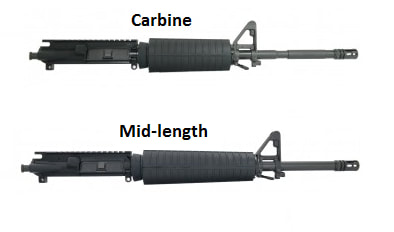
Introduction to AR-15 Gas Systems
The AR-15 is a legendary platform known for its versatility and adaptability. A critical component of its operation is the gas system, which affects everything from recoil to reliability. Whether you’re building a custom rifle or upgrading an existing one, understanding the different AR-15 gas system lengths can help you make an informed decision.
Two of the most common gas systems are the carbine-length and mid-length configurations. While both function similarly, subtle differences can significantly impact performance. By exploring these options, you’ll gain insights into which system is best suited for your shooting needs, whether it’s home defense, competition, or tactical applications.
Understanding Carbine-Length Gas Systems
The carbine-length gas system is a proven choice, originally designed for the military’s M4 Carbine. It features a gas tube length of approximately 7 inches, making it ideal for shorter barrels, typically around 14.5 to 16 inches. This compact design allows for rapid cycling and consistent operation.
However, the shorter gas tube means higher gas pressure, which can lead to increased wear on internal components. This system is well-supported by manufacturers like Colt and Bushmaster, offering tried-and-tested reliability. With proper tuning, such as using the right buffer weight, the carbine-length system remains a top choice for shooters who prioritize compactness and rapid-fire capability.
Exploring Mid-Length Gas Systems
The mid-length gas system was developed as an alternative to the carbine-length system to enhance reliability and shooting comfort. With a gas tube length of approximately 9 inches, it is best suited for 16-inch barrels. The longer gas tube allows for a more controlled gas flow, resulting in smoother operation and reduced recoil.
Many AR-15 enthusiasts, including members of the USCCA Community and The Firing Line Forums, prefer the mid-length system for its balance between durability and performance. Brands like Aero Precision and STNGR USA have embraced this system, offering high-quality components tailored for improved shooting experiences.
Comparative Analysis: Mid-Length vs. Carbine-Length
When comparing mid-length and carbine-length gas systems, several factors come into play. The shorter dwell time in a carbine-length system increases bolt speed, while the mid-length system provides a more gradual pressure curve, reducing stress on components. This difference affects not only recoil but also the longevity of the rifle.
A key consideration is gas port location. The carbine-length system has its gas port closer to the chamber, leading to higher gas pressure. In contrast, the mid-length system positions the port further down the barrel, allowing gases to expand more before entering the tube. This seemingly small change makes a noticeable difference in cycling behavior and durability.
Impact on Recoil and Shooting Experience
Recoil is a significant factor when choosing between these gas systems. The carbine-length system generates a sharper recoil impulse due to the higher gas pressure. While manageable, it can be fatiguing during extended shooting sessions.
In contrast, the mid-length system provides a softer, more controlled recoil, making follow-up shots faster and more accurate. Competitive shooters and tactical users appreciate this advantage, as it enhances overall control and precision. Discussions on Reddit r/QualityTacticalGear frequently highlight the benefits of reduced recoil when using mid-length gas systems.
Considerations for Barrel Length and Gas Port Position
The relationship between barrel length and gas system length is crucial for optimal performance. A carbine-length system works best with shorter barrels, as its higher gas pressure ensures reliable cycling. However, when paired with a 16-inch barrel, it may generate excessive pressure, causing increased wear.
A mid-length system is more suited for 16-inch barrels, balancing pressure and dwell time for smoother operation. Brownells and other leading suppliers offer a range of barrels and gas blocks to help shooters achieve the perfect configuration for their needs.
Reliability Factors in Different Gas Systems
Reliability is a top priority for any AR-15 owner. While both systems can be dependable, a carbine-length gas system in a 16-inch barrel can lead to over-gassing, which accelerates wear and increases the likelihood of malfunctions. Solutions such as an adjustable gas block or a heavier buffer can mitigate these issues.
A mid-length system, on the other hand, provides better longevity with less stress on components. This makes it an attractive choice for those who prioritize durability over raw cycling speed. Many professional shooters and experienced AR-15 users lean toward mid-length setups for their smoother operation and enhanced reliability.
Adjustments and Modifications: Buffer Weights and Gas Blocks
Fine-tuning your AR-15 with the right buffer weight and gas block can greatly enhance performance. A carbine-length system benefits from a heavier buffer to moderate bolt speed and reduce wear. Many users opt for an H2 or H3 buffer for a more balanced cycling process.
For mid-length systems, an adjustable gas block offers precise control over gas flow, allowing shooters to customize their rifle’s behavior. Aero Precision and STNGR USA produce high-quality components designed to maximize the benefits of mid-length configurations.
User Experiences and Preferences
Shooter preferences vary widely, with some favoring the fast cycling of a carbine-length system, while others prefer the smoother recoil of a mid-length setup. Discussions on The Firing Line Forums and USCCA Community frequently debate these choices, with seasoned shooters sharing their firsthand experiences.
Ultimately, it comes down to individual needs. If you prioritize reliability and comfort for extended shooting, mid-length is the way to go. However, if you prefer a more compact, high-speed system for defensive or tactical applications, a carbine-length setup may be more suitable.
Conclusion: Choosing the Right Gas System for Your AR-15
Selecting between a mid-length and carbine-length gas system depends on factors like barrel length, intended use, and personal preference. Both systems have their advantages, and with the right adjustments, each can provide excellent performance.
Whether you choose the tried-and-true carbine-length or the refined mid-length system, investing in quality parts from brands like Brownells, Aero Precision, and STNGR USA ensures a reliable and enjoyable shooting experience. By understanding these differences, you can build an AR-15 tailored to your specific needs, optimizing both reliability and shooting comfort.
Frequently Asked Questions (FAQs)
Q: What is the main difference between carbine-length and mid-length gas systems? A: The main difference is the gas tube length and port location, which affect recoil, reliability, and wear on internal components.
Q: Which gas system is better for a 16-inch barrel? A: A mid-length gas system is typically better for a 16-inch barrel as it provides a smoother recoil and enhanced durability.
Q: Can I upgrade my carbine-length system to a mid-length system? A: No, since the gas port location on the barrel is different, switching requires a new barrel designed for mid-length operation.
