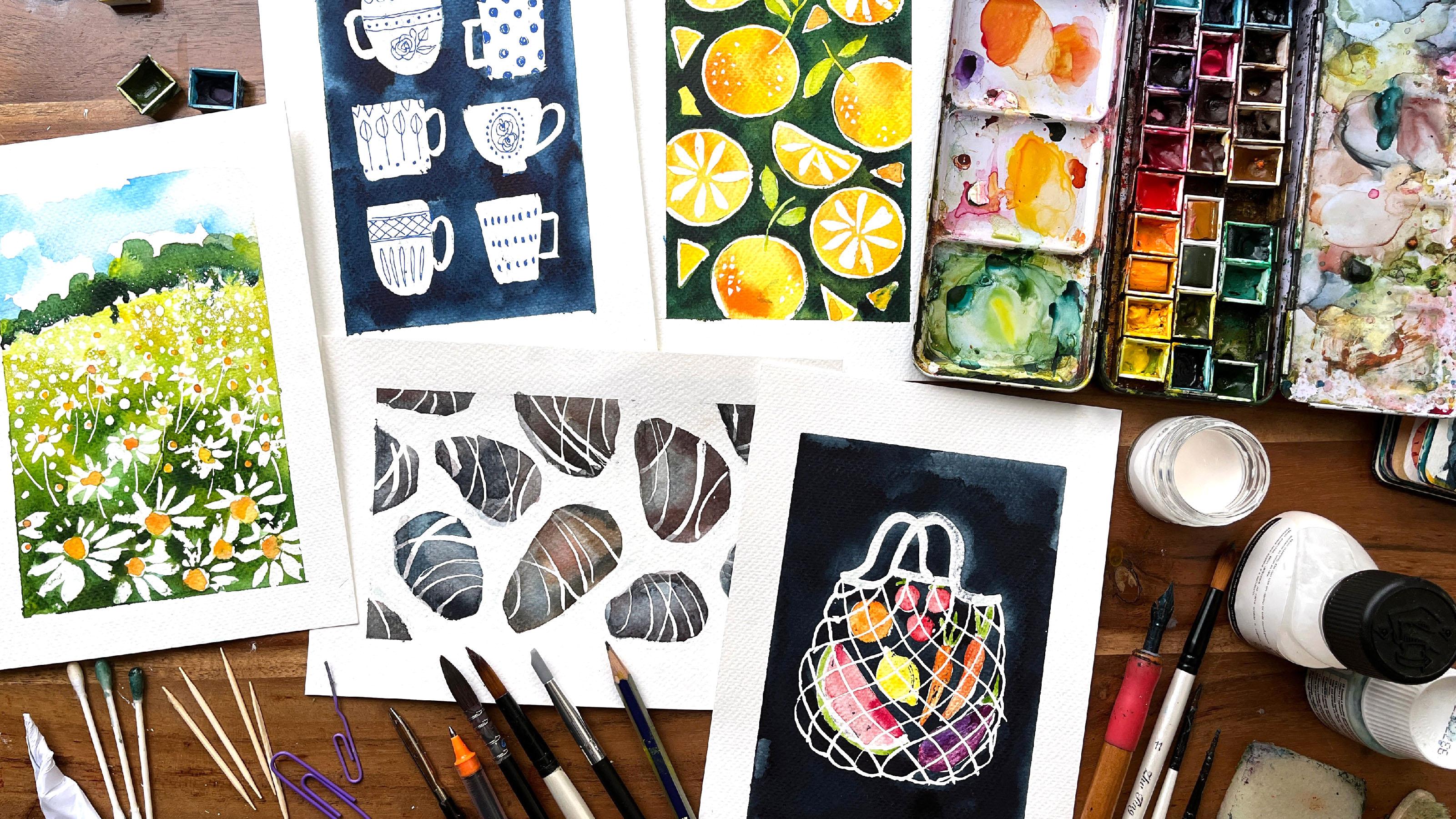
The art world is a vast and colorful landscape where creativity knows no bounds. From the classic strokes of a paintbrush to the most abstract and avant-garde forms of expression, artists are constantly pushing the boundaries of what can be considered art. In this ever-evolving realm, there exists a unique and fascinating form of art known as “dib dab.” Dib dab, as its name suggests, is a playful and whimsical approach to creating art. In this post, we will delve into the world of dib dab, exploring its origins, techniques, and the profound impact it has on the artistic community.
What is Dib Dab?
Dib dab is an unconventional art form that challenges traditional notions of art. It is a technique that relies heavily on spontaneity, intuition, and a sense of childlike wonder. The name “dib dab” itself exudes a sense of playfulness, and that essence is very much reflected in the art it produces.
The core philosophy of dib dab is simple: there are no rules. Artists embrace the unexpected and let their imagination run wild. The process often involves using a variety of tools and materials, with an emphasis on experimentation and the absence of a predetermined outcome.
The Origins of Dib Dab
The exact origins of dib dab are somewhat elusive, and it doesn’t have a well-documented history like some other art movements. However, one can trace its spirit back to the Dada movement of the early 20th century. Dadaism was a radical art movement that rejected the rational, ordered world, and instead celebrated chaos and absurdity. Dib dab, in many ways, carries the torch of this anti-establishment ethos.
Dib dab gained prominence as an art form during the mid-20th century, a period that witnessed the emergence of various avant-garde movements. Artists like Jackson Pollock, famous for his “drip paintings,” and Jean Dubuffet, known for his “Art Brut” (raw art), were pioneers of this unorthodox approach. Their willingness to break free from convention laid the foundation for dib dab’s development.
The Process of Dib Dab
One of the defining characteristics of dib dab is its open-ended, unstructured process. Artists begin with a blank canvas or surface and let their instincts guide them. Here’s a simplified step-by-step breakdown of the dib dab process:
- Gather Materials: Collect an assortment of art supplies. Dib dab encourages the use of anything and everything, from traditional paints and brushes to unconventional tools like sticks, sponges, or even your fingers.
- Mindset: Adopt a playful and exploratory mindset. Let go of any preconceived notions about the final outcome and be open to surprises.
- Create: Start applying your materials to the canvas. Don’t worry about making mistakes, as there are no mistakes in dib dab – only opportunities for new directions. Experiment with different strokes, textures, and colors.
- Build Layers: Dib dab often involves layering. As you work, consider building up layers of paint or other materials. Allow each layer to dry before adding the next, or work wet-on-wet for a more fluid effect.
- Intuition and Emotion: Let your intuition and emotions guide your actions. You might find that certain colors or shapes emerge naturally as you work. Embrace these as they come.
- Step Back: Periodically step back from your work to assess it from a distance. This helps you see the bigger picture and decide where you want to take your art next.
- Finishing Touches: Once you feel that your work is complete, add any finishing touches you desire. This might include adding details, accents, or additional layers.
The Beauty of Dib Dab
What makes dib dab so intriguing is the element of surprise. Unlike more traditional art forms, where the artist often has a clear plan or vision, dib dab allows the artwork to unfold organically. The outcome is often a reflection of the artist’s emotions, thoughts, and the energy they invest during the process.
Dib dab is also a form of self-expression that welcomes all skill levels. You don’t need to be a classically trained artist to enjoy and excel in this art form. It is a liberating way to unleash your creativity, making it accessible to people of all backgrounds and ages.
The absence of rules and structure in dib dab can be both freeing and challenging. It invites artists to confront the unknown, embrace the unexpected, and find beauty in the chaos. It’s an art form that encourages you to connect with your inner child, the part of you that is unburdened by convention and fear of judgment.
The Healing Power of Dib Dab
Beyond its artistic merits, dib dab has found its place as a therapeutic tool. Many artists, as well as therapists, have recognized the healing power of this form of art.
Dib dab provides a safe space for emotional release. By allowing your emotions to flow freely onto the canvas, you can gain insight into your feelings and thoughts. It’s a powerful way to cope with stress, anxiety, or even trauma. The act of creating art becomes a form of self-therapy.
In addition, the tactile and sensory experience of working with various materials in dib dab can be grounding. The physical act of applying paint, touching textures, and seeing colors interact can be deeply soothing.
The Influence of Dib Dab on Modern Art
Dib dab may not have the same mainstream recognition as some other art movements, but its influence on modern art is undeniable. It has contributed to the evolution of contemporary art, pushing the boundaries of what can be considered art.
Many artists today incorporate elements of dib dab into their work, even if they don’t label themselves as dib dab artists. The spirit of experimentation, spontaneity, and the celebration of the unexpected are all qualities that contemporary artists have embraced.
The art world has also become more inclusive and diverse, thanks in part to dib dab’s philosophy. It has encouraged artists from all backgrounds to explore their creativity, making the art world richer and more vibrant.
Challenges and Critiques
As with any unconventional art form, dib dab is not without its challenges and critiques. Some argue that it lacks the discipline and intentionality of more traditional art forms, and that it can sometimes result in chaotic or meaningless pieces. However, proponents of dib dab would argue that its beauty lies precisely in its lack of structure and in the ability to find meaning in the seemingly chaotic.
Critics also raise questions about the role of skill in dib dab. They argue that anyone can splash paint on a canvas, but not everyone can create truly meaningful art. In response, dib dab enthusiasts emphasize that skill is not the sole measure of artistic value, and that dib dab is a way to tap into a deeper well of creativity and emotion.
How to Get Started with Dib Dab
If the world of dib dab has piqued your interest, here are some steps to get started:
- Gather Materials: Collect a variety of art supplies, such as paints, brushes, sponges, or even unconventional items like bubble wrap, twigs, or old credit cards.
- Create a Space: Set up a comfortable and inspiring workspace where you can work freely without worrying about making a mess.
- Embrace Playfulness: Approach your art with a sense of playfulness and curiosity. Let go of the need for a predetermined outcome.
- Start Experimenting: Begin applying your chosen materials to your canvas or surface. Try different strokes, textures, and colors. Don’t be afraid to layer and explore.
- Trust Your Instincts: Listen to your inner voice and let your intuition guide your creative process. Don’t overthink – just let the art flow.
- Reflect and Learn: Periodically step back from your work to assess it. Think about what you like and what you want to change. This self-reflection is part of the creative journey.
- Share and Connect: Don’t be afraid to share your dib dab creations with others. Engage with the artistic community, whether it’s online or in local art groups. You’ll find like-minded individuals who appreciate the unique beauty of dib dab.
In conclusion, dib dab is a captivating and liberating form of art that challenges conventions and encourages self-expression. Its origins may be somewhat mysterious, but its impact on the art world and its potential for personal growth and healing are undeniable. Dib dab invites all of us to reconnect with our inner child, embrace the unexpected, and find beauty in the spontaneous. So, pick up those art supplies and give dib dab a try – you might just uncover a world of creativity you never knew existed.
