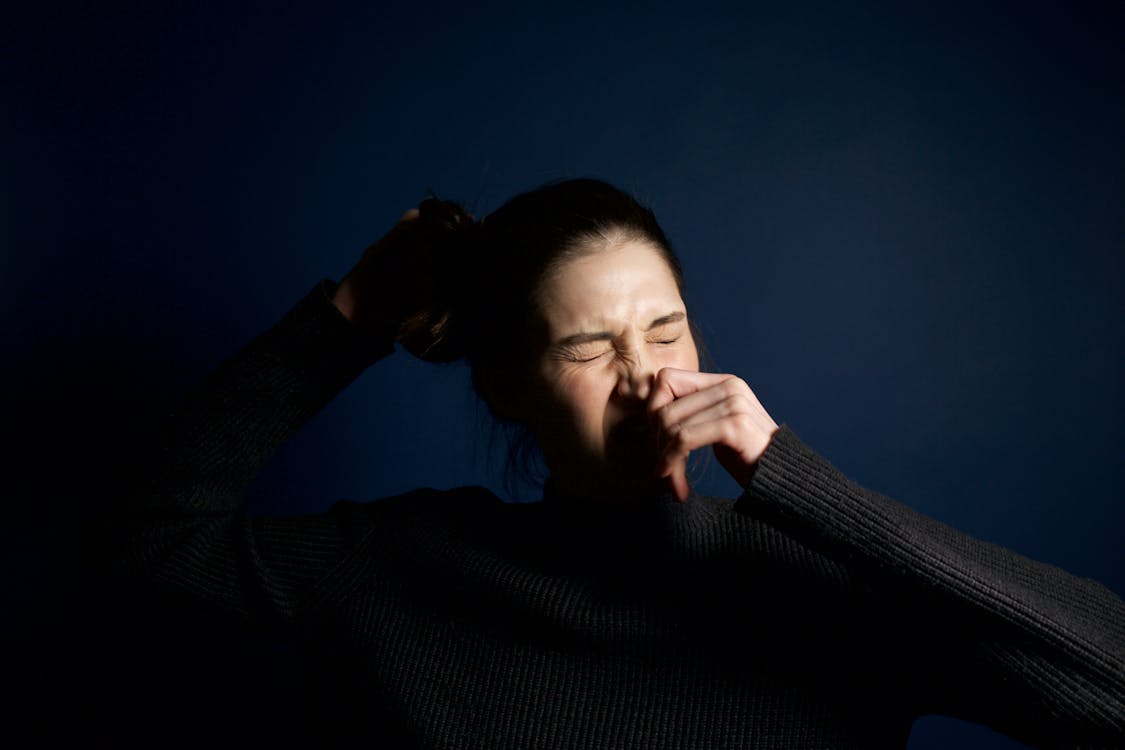
If you’re one of the millions of Australians with allergies, you may be wondering how to deal with pet allergies as a pet owner. After all, you love your furry friend, but you can’t stand the sneezing, watery eyes and general misery that comes along with your allergy symptoms.
The good news is that there are a number of things you can do to minimize your symptoms and make living with pet allergies much easier.
If you are just looking at puppies in West Australia or rabbits in NSW, you still have time to get the right pet, even if you have allergies.
First, try to identify what your allergy is. Are you allergic to dander, saliva, or something else? Identifying your allergen can help you narrow down which pets are best for you. For example, if you’re allergic to dander, a high-shedding dog might not be the best choice – but a low-shedding breed like a Poodle may work for you.
Most people are allergic to specific proteins, not the fur or saliva itself. And the interesting thing is, different pets may produce these proteins in different amounts. So you may be allergic to dog dander, but you may find that it gets better or worse depending on the dog.
If you’re already living with an existing pet, there are some small changes you can make to keep your allergies under control. Read on for our tips:
How to Deal with Pet Allergies as a Pet Owner
- Keep your pet out of your bedroom
This is probably the most important thing you can do to reduce your allergy symptoms. While most pet owners love having their pets by their side 24/7, you should have a refuge from the allergens they carry. At the very least, this allows you to be able to rest and recover when you’re meant to, instead of sneezing and scratching all through the night.
- Clean regularly
One of the best ways to reduce allergens in your home is to vacuum and dust regularly. Be sure to use a vacuum with a HEPA filter to trap as many allergens as possible. It’s also a good idea to wash your bedding in hot water weekly to kill any dust mites that may be lurking there.
- Keep them groomed
Regular brushing and bathing can help reduce the number of allergens your pet carries. Be sure to use a pet-specific shampoo and brush them outside if possible to keep allergens from spreading through your home.
Depending on the type of pet you have, there may be grooming techniques that will help keep shedding under control. Dogs and cats can have deshedding done at the groomer, which can minimize the amount of fur that they leave around the house.
- Consider medication
If you’ve tried all of the above and are still struggling with severe symptoms, you may need to consult with an allergist about medication options. There are a number of effective prescription medications available that can help control pet allergies and provide relief from symptoms. However, it is understandable if you don’t want to keep using these types of medications, as they can sometimes cause some unwanted side effects, such as drowsiness. This leads us to our next, more permanent tip.
- Get an allergy shot
If you’re allergic to specific proteins found in animal dander, you may be a candidate for allergy shots (immunotherapy). This treatment involves injecting small amounts of the allergen under the skin over time in order to build up immunity and lessen reactions when exposed to the allergen in the future. Allergy shots are usually only recommended for people who have severe allergies and haven’t had success with other treatments.
Living with pet allergies doesn’t have to be miserable. By taking some simple precautions you can enjoy life with your furry friend while keeping your allergy symptoms under control. It is definitely possible to live happily with your furry (or not-so-furry) friends.
