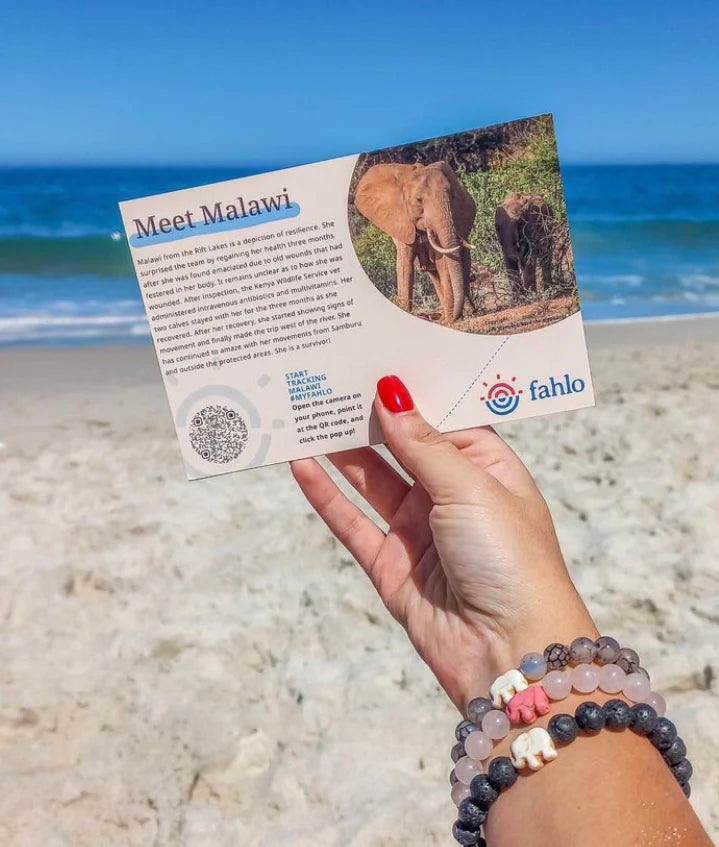
In the realm of wildlife conservation, staying ahead of the curve often means embracing innovative technologies. One such breakthrough that has revolutionized the field is the animal tracking bracelet. These small yet powerful devices have emerged as indispensable tools in monitoring and protecting various species across the globe.
Animal tracking bracelets, equipped with GPS, RFID, or satellite technology, offer a non-invasive means of collecting valuable data on animal behavior, movement patterns, and habitat usage. Unlike traditional methods such as radio collars, which can be bulky and cumbersome, these bracelets are lightweight, unobtrusive, and provide researchers with unprecedented insights into the lives of the animals they study.
One of the most significant advantages of animal tracking bracelets is their ability to gather real-time data. Researchers can remotely monitor the whereabouts of individual animals, allowing them to track migration routes, identify critical habitats, and even detect unusual behaviors that may indicate health problems or threats from human activities.
In addition to aiding scientific research, animal tracking bracelets play a vital role in conservation efforts by helping to mitigate human-wildlife conflicts. By understanding how animals interact with their environment and where they are most vulnerable, conservationists can develop targeted strategies to minimize conflicts and protect both wildlife and human interests.
For example, in regions where conflicts between farmers and wildlife are prevalent, such as areas with large populations of elephants or big cats, animal tracking bracelets enable researchers to pinpoint hotspots of human-wildlife conflict. Armed with this knowledge, conservationists can work with local communities to implement measures such as building wildlife corridors or installing deterrents to prevent crop raids or livestock predation.
Furthermore, animal tracking bracelets are invaluable tools for monitoring endangered species and enforcing wildlife protection laws. By tagging individual animals with these devices, conservationists can keep tabs on their movements and intervene if they stray into areas where they are at risk of poaching or habitat destruction. In this way, animal tracking bracelets act as a deterrent to illegal activities while also providing evidence that can be used to prosecute poachers and wildlife traffickers.
In recent years, advancements in technology have further enhanced the capabilities of animal tracking bracelets. Miniaturization has allowed for the development of smaller, more lightweight devices that can be attached to a wider range of species, including birds, fish, and even insects. This expanded versatility has opened up new avenues for research and conservation, enabling scientists to study previously inaccessible or understudied species.
Moreover, the integration of sensor technology into animal tracking bracelets has enabled researchers to collect additional data beyond just location. These sensors can measure environmental factors such as temperature, humidity, and even pollution levels, providing valuable insights into how animals respond to changes in their surroundings. By combining location data with environmental data, researchers can gain a more comprehensive understanding of the factors influencing animal behavior and ecosystem dynamics.
Despite their numerous benefits, animal tracking bracelets are not without their challenges and controversies. Privacy concerns have been raised regarding the use of these devices on individual animals, particularly in cases where the data collected is shared with third parties or used for commercial purposes. Additionally, there are ethical considerations surrounding the potential impacts of tagging animals on their health and behavior, although studies have shown that modern tracking devices have minimal negative effects.
In conclusion, animal tracking bracelets represent a significant technological advancement in the field of wildlife monitoring and conservation. By providing researchers with real-time data on animal movements and behaviors, these devices enable more informed decision-making and targeted conservation efforts. While challenges and ethical considerations remain, the benefits of using animal tracking bracelets far outweigh the drawbacks, making them indispensable tools in the ongoing effort to protect and preserve our planet’s diverse ecosystems and the creatures that inhabit them.
