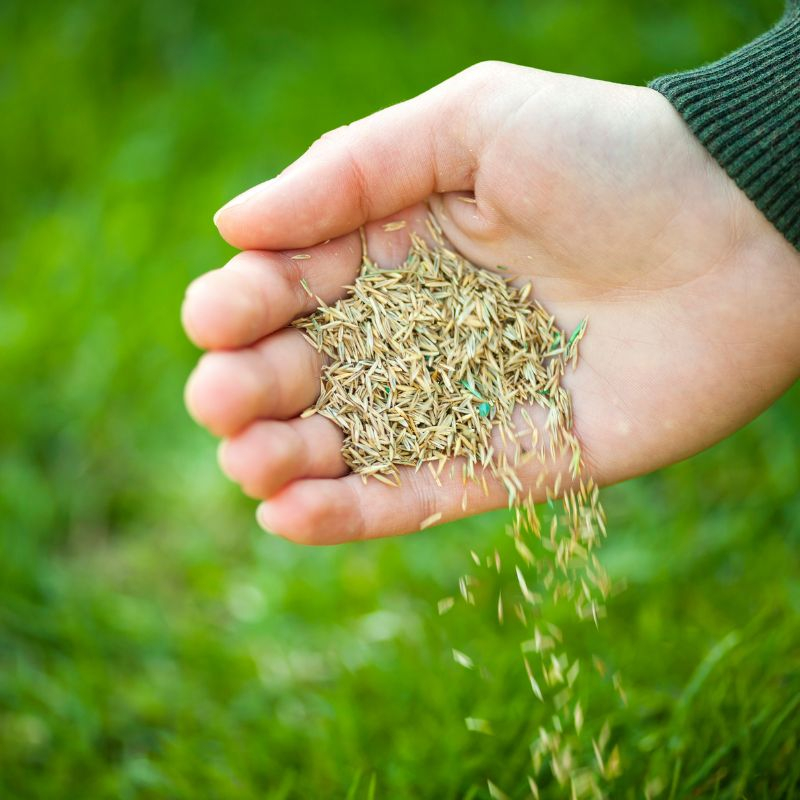
In the realm of agriculture, the cornerstone of success lies in the seeds we sow. Every harvest, every yield, and every bounty traces its roots back to the tiny yet potent beginnings of a seed. Among the diverse array of seeds available to farmers, “general seeds” stand out as versatile allies in the quest for agricultural prosperity. These seeds, often underestimated for their simplicity, hold the potential to transform barren lands into flourishing fields, embodying the essence of growth and resilience.
General seeds encompass a broad spectrum of plant varieties that serve as the backbone of agricultural endeavors worldwide. From staple crops like corn, wheat, and rice to a plethora of fruits, vegetables, and legumes, these seeds form the foundation upon which agricultural systems are built. What sets general seeds apart is their adaptability to various climates, soils, and cultivation practices, making them indispensable assets for farmers across diverse landscapes.
One of the primary advantages of general seeds is their resilience in adverse conditions. Whether facing erratic weather patterns, pest infestations, or soil degradation, these seeds demonstrate remarkable endurance and adaptability. Through generations of selective breeding and genetic enhancements, agricultural scientists have fortified general seeds with traits that enhance their resistance to pests, diseases, and environmental stresses. As a result, farmers can rely on these seeds to withstand unforeseen challenges and ensure a stable harvest season after season.
Furthermore, the versatility of general seeds extends beyond their resilience to encompass a wide range of agricultural practices. Whether employed in conventional, organic, or regenerative farming methods, these seeds seamlessly integrate into diverse production systems. Their compatibility with various cultivation techniques empowers farmers to implement sustainable practices that promote soil health, biodiversity, and ecosystem resilience. By harnessing the potential of general seeds, farmers can cultivate nutritious crops while minimizing environmental impact and preserving natural resources for future generations.
In addition to their adaptability and versatility, general seeds play a pivotal role in fostering food security and livelihoods worldwide. As the global population continues to expand, the demand for food surges, placing unprecedented pressure on agricultural systems. In this context, general seeds emerge as catalysts for productivity and prosperity, enabling farmers to meet the growing demand for food while sustaining rural economies. By providing farmers with access to high-quality seeds at affordable prices, agricultural organizations and seed companies empower communities to enhance food production, improve incomes, and alleviate poverty.
Moreover, the significance of general seeds extends beyond their economic value to encompass their cultural and ecological importance. Many traditional farming communities have relied on locally adapted seed varieties for generations, preserving biodiversity and cultural heritage. As modern agricultural practices increasingly prioritize uniformity and homogeneity, there is a growing recognition of the need to safeguard indigenous seed diversity and traditional knowledge. General seeds serve as bridges between past and present, connecting farmers to their ancestral roots while fostering innovation and progress in agriculture.
Despite their myriad benefits, general seeds face challenges in an era dominated by industrial agriculture and commercial seed monopolies. The consolidation of seed companies and the proliferation of genetically modified organisms (GMOs) have raised concerns about the erosion of seed sovereignty and farmers’ rights. In many regions, small-scale farmers struggle to access affordable, non-patented seeds, limiting their autonomy and perpetuating dependency on external inputs. Additionally, the commodification of seeds threatens to homogenize agricultural landscapes, diminishing biodiversity and resilience in the face of climate change.
To address these challenges and ensure the continued vitality of general seeds, concerted efforts are needed to promote seed sovereignty, conservation, and equitable access. Governments, agricultural organizations, and civil society must collaborate to enact policies that protect farmers’ rights to save, exchange, and breed seeds freely. Investments in seed research, breeding programs, and farmer-led initiatives can facilitate the development of diverse, locally adapted seed varieties tailored to specific agroecological contexts.
Furthermore, fostering seed networks and community seed banks can empower farmers to preserve and exchange traditional seed varieties, safeguarding biodiversity and cultural heritage. By prioritizing agroecological approaches that prioritize resilience, diversity, and sustainability, we can cultivate a future where general seeds continue to thrive as symbols of resilience, innovation, and abundance.
In conclusion, general seeds embody the essence of agricultural resilience, adaptability, and diversity. From humble beginnings, these seeds hold the promise of abundant harvests, sustainable livelihoods, and food security for communities worldwide. By nurturing and safeguarding general seeds, we cultivate not only crops but also a legacy of stewardship, innovation, and resilience that sustains us all. As stewards of the land, it is our responsibility to honor the profound significance of general seeds and ensure their enduring legacy for generations to come.
