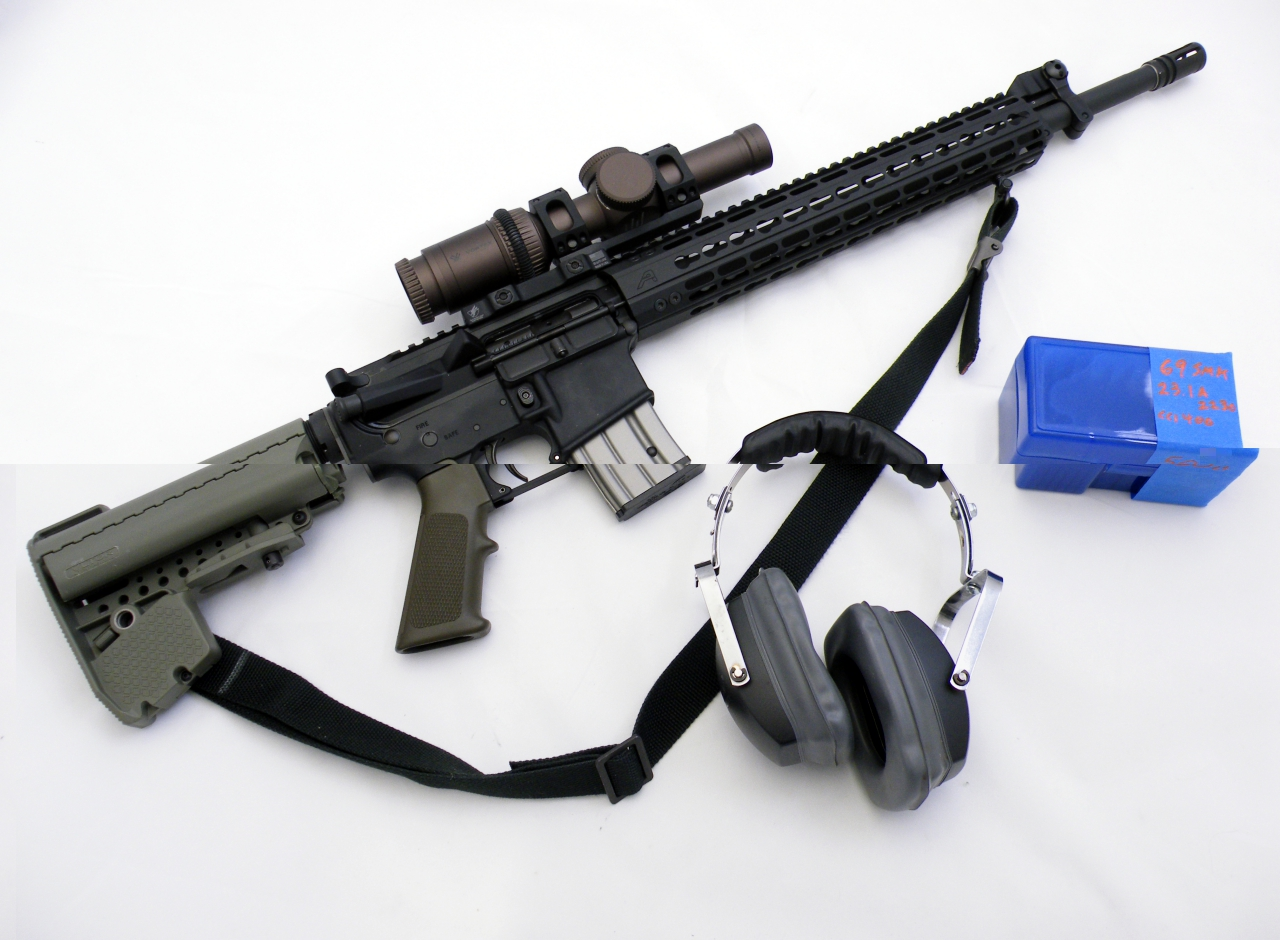
The AR-15 has long been a focal point of discussion, both in terms of its cultural significance and its controversial place in modern society. This iconic rifle has stirred debates on gun control, constitutional rights, and the very fabric of American identity. In this article, we delve into the multifaceted world of the AR-15, exploring its history, its evolution, and the myriad perspectives surrounding it.
Understanding the AR-15: Origins and Evolution
The AR-15, originally developed by Eugene Stoner in the 1950s, was envisioned as a lightweight, versatile firearm for military application. Its design, featuring a modular platform and chambered in .223 caliber, offered a significant departure from traditional rifles of its time. Initially adopted by the United States military as the M16, the AR-15 gained widespread recognition during the Vietnam War.
Over the decades, the AR-15 underwent various modifications and adaptations, leading to the emergence of civilian versions. These civilian models, while bearing resemblance to their military counterparts, were tailored for recreational shooting, hunting, and self-defense purposes. The popularity of the AR-15 soared in the civilian market, becoming synonymous with American gun culture.
The AR-15 in Contemporary Discourse
Despite its widespread acceptance among gun enthusiasts, the AR-15 has become a lightning rod for contentious debates on gun legislation and public safety. Advocates of gun rights tout the AR-15 as a symbol of individual freedom and self-reliance, emphasizing its role in safeguarding against tyranny and preserving the Second Amendment.
Conversely, proponents of stricter gun control measures view the AR-15 as a symbol of unchecked proliferation of firearms, citing its involvement in mass shootings and high-profile incidents of gun violence. Calls for bans, restrictions, and enhanced background checks on AR-15 ownership have intensified, reflecting broader concerns about public safety and the impact of firearms on society.
Navigating the Legal Landscape
The legal status of the AR-15 varies across jurisdictions, with regulations shaped by federal, state, and local laws. While the AR-15 remains legal to own in most parts of the United States, certain states have enacted stricter measures, including bans on specific features such as detachable magazines, pistol grips, and flash suppressors.
Federal regulations impose restrictions on the sale and transfer of fully automatic firearms, including select-fire versions of the AR-15. However, semi-automatic variants, which fire one round per trigger pull, are widely available for civilian purchase, subject to background checks and other federal requirements.
The AR-15 Community: Enthusiasts, Collectors, and Competitors
Beyond its role in contentious political discourse, the AR-15 fosters a vibrant and diverse community of enthusiasts, collectors, and competitive shooters. Dedicated forums, social media groups, and events serve as hubs for sharing knowledge, showcasing custom builds, and discussing the latest advancements in AR-15 technology.
For many aficionados, the AR-15 represents more than just a firearm—it embodies a passion for engineering, customization, and marksmanship. From precision long-range rifles to compact home defense setups, the versatility of the AR-15 platform allows individuals to tailor their firearms to meet specific preferences and requirements.
Innovation and Advancements
The AR-15 continues to evolve through innovation and technological advancements. Manufacturers constantly introduce new components, accessories, and upgrades aimed at enhancing performance, ergonomics, and modularity. From improved trigger systems to lightweight materials, these innovations cater to the diverse needs and preferences of AR-15 enthusiasts.
Furthermore, the rise of 3D printing has sparked a new frontier in AR-15 customization, enabling enthusiasts to design and fabricate components with unprecedented freedom and creativity. While this democratization of manufacturing presents regulatory challenges, it also empowers individuals to explore new possibilities in firearm design and personalization.
Looking Ahead: Challenges and Opportunities
As the AR-15 remains at the forefront of public discourse, its future trajectory is fraught with both challenges and opportunities. Ongoing debates on gun control, legislative proposals, and judicial decisions will continue to shape the legal landscape surrounding the AR-15 and firearms in general.
Moreover, technological advancements, cultural shifts, and societal attitudes towards firearms will influence the direction of AR-15 development and adoption. Whether as a symbol of freedom or a source of controversy, the AR-15 embodies the complex intersection of history, politics, and culture in the United States.
Conclusion
The AR-15 stands as a quintessential emblem of American firearms culture, embodying a rich legacy of innovation, controversy, and passion. Its place in contemporary discourse reflects broader tensions surrounding gun rights, public safety, and constitutional principles. Yet, amidst the debates and divisions, the AR-15 endures as a testament to the enduring complexity of the American experience. Whether celebrated as a symbol of liberty or scrutinized as a catalyst for violence, the AR-15 continues to occupy a central role in shaping the nation’s ongoing dialogue on firearms and society.
