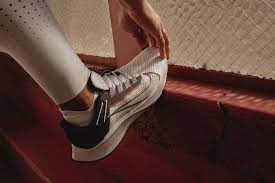
Finding an ideal pair of running sneakers that fit your feet is crucial as they are, without a doubt, the most integral aspect of your running equipment. The appropriate running shoes can improve performance, reduce the risk of injury, and enhance exercise comfort.
Our feet come in various sizes and forms and are just as unique as we are. As a result, there must be an equivalent amount of variety in running shoes, and with hundreds of different styles to pick from, it may be challenging to find the perfect pair to meet your needs.
Before purchasing, there are several things to evaluate, with size and width being the most crucial. Other considerations include knowing how you run and make contact with the ground (pronation), the terrain and distance you plan to run on, and how much you wish like to spend on the purchase.
Comfort, grip, cushioning, support, protection, and durability are the most important aspects. It is upon you to pick which of these elements you value most so that you can select the ideal shoe based on your preference(s). Here is a more detailed look into these aspects:
The fit
The fit is the most key consideration when buying New Balance running shoes. A shoe model may not be the ideal fit for you even though it has positive internet reviews. Remember that every brand’s fit may differ, so try the shoe on if you can. When trying on the shoes, wear them as you would if you were wearing them in real life.
Bring regular socks, and tie your shoes as you would when walking or running. Also, read the evaluations before making an online shoe purchase, particularly those written by people with similar feet. Read the product description and the company’s size chart since some shoe models may run small or large.
A tight fit can be an excellent choice if you are exercising or jogging because it helps you maintain control. A looser fit could be more comfortable, but it might be ideal for walking to avoid injury.
Cushioning
How padded a shoe sole is depends on the material used to make it. A shoe’s cushion helps protect your joints by absorbing your body weight. Ensure you check the product descriptions of your available running shoe selections and the kinds of surfaces they are intended to be used on for the best possible cushioning.
For instance, if you plan to jog outside, you should wear running shoes with the right amount of cushioning for hard surfaces. You should wear gym-appropriate footwear if you plan to work out on synthetic surfaces.
Support
You can remain comfortable while exercising thanks to the characteristics built into running shoes. These features, plus supportive insoles are the ultimate way to ensure a running shoe is comfortable. The shoe material, the type of material used for the sole, and whether or not the insole that comes with the shoe provides any support or cushioning are examples of these features.
Check the shoe’s product description or inquire with a salesperson at Footlocker Australia to learn what options are available if you’re searching for more support in your shoes. In addition to body weight, you must consider how long you’ll be running. You need more supportive shoes on longer runs when your muscles are tired.
Heel drop
The distance in millimeters between your toe and your heel when you stand in the shoe, is referred to as heel drop. The cushioning controls how far back the heel drops. If the shoe has a low heel drop, your heel and toe will be closer together when you stand in it. If you have a high heel drop, your heel will be lower than your toe. Because most people touch the ground with their heels first when running, it is crucial for running shoes to have a larger drop. This necessitates a heel drop of at least 10 millimeters.
Your gait
Your gait is a term that describes how you run and walk. Three groups can be made of people’s gaits:
- Neutral (hips, knees, and ankles in line)
- Underpronated (rolls outward too much)
- Overpronated (rolls inward too far)
- Purchase shoes with greater cushioning if your foot is underpronated.
You can get a free gait analysis at several running shoe stores, or a nearby expert can perform a gait study for you. Look for shoes that stabilize your foot if you have an overpronated foot. On the other hand, purchase shoes with greater cushioning if your foot is underrated.
Flexibility
Flexibility matters depending on the type of workout you plan to conduct. Try bending the shoe from either side to check the flexibility. Also, consider where your foot flexes while you run. You want footwear that can bend at the point on your foot that moves the most, which is typically the forefoot.
Be cautious while purchasing shoes if you’ve already experienced an injury. Start with a more structured, padded shoe and observe how your feet respond. If in doubt, always consult your physician or physical therapist.
Style
Even though style isn’t the most crucial aspect to take into account while purchasing shoes, it is still an important consideration. You have to ensure that your running shoes are comfortable and also stylish. Checking to see if a prominent shoe brand like New Balance is involved in any recent or planned collaborations is a wonderful way to acquire fashionable and distinctive shoes. Generally, consider your outfit choices when choosing the shoe style for your running sneakers.
The bottom line
The most important thing when purchasing running shoes is to understand your exercise style and what works for your feet. The purchase can be as hassle-free as possible by understanding your feet, how it moves, heel drop, shoe style, flexibility, and the key features you need in a shoe to feel comfortable. Most importantly, the shoe should fit well, be comfortable, and be flexible to adapt to your running style.
